

If you’ve started gathering quotes from trades and contractors, you may be feeling a bit… lost.
One plumber’s estimate includes drywall repair, another doesn’t. The electrician says he needs the walls open before he can quote accurately. The cabinetmaker is ready to start measuring, but the flooring installer says you’ll need subfloor prep first.
Suddenly, what seemed like a straightforward plan turns into a confusing jumble of overlapping responsibilities and missing pieces.
If this sounds familiar, you’re not alone. This is exactly why understanding the order of things matters. When you know how the kitchen renovation process flows, you can organize your project (and your quotes) with far more confidence and control.
The Complete Kitchen Renovation Framework: Two Phases Explained
At a high level, every renovation—no matter how big or small—follows the same sequence.
There are two main phases:
- Planning, Procurement, and Permits
- Construction
While each phase has its own moving parts, they’re deeply connected. Think of it like a relay race—each trade hands off to the next, but only after certain pieces are complete. When everyone understands the order, the baton passes smoothly.
Phase 1: Planning, Procurement, and Permits (2–8 weeks)
This is the “think before you swing the hammer” stage. It sets the tone for everything that follows.
- Design and layout:
Start here. Finalize the layout so every other trade knows what they’re working toward. A clear plan avoids endless adjustments later. - Material selection:
Cabinets, flooring, lighting, countertops, fixtures—it’s all connected. The materials you choose determine lead times, budgets, and even construction details. - Interview trades or contractors:
This is where the confusion often begins! Each trade sees the project through their own lens, so their quotes reflect different scopes. Use your finalized design and layout as your reference point and ask each trade to specify exactly what’s included (and what’s not). - Budgeting: Combine your quotes and material costs into a working budget. Add a contingency—because even the best-planned projects have surprises.
- Permits (if applicable) and insurance:
Don’t skip this step. Check with your municipality to see what’s required, and make sure anyone working on your project is properly insured. - Ordering and scheduling:
Once your selections are made, place orders early. Delays in cabinetry or appliances can easily ripple through your entire timeline.
At the end of Phase 1, you should have a clear plan, signed quotes, and scheduled start dates. You’ll know who’s doing what and in what order—which makes the next phase much smoother.
Phase 2: Construction (5+ weeks)
Now comes the visible transformation—and the part most people picture when they think of “renovation.”
Here’s how the work typically unfolds:
- Demolition and disposal – Out with the old to make way for the new.
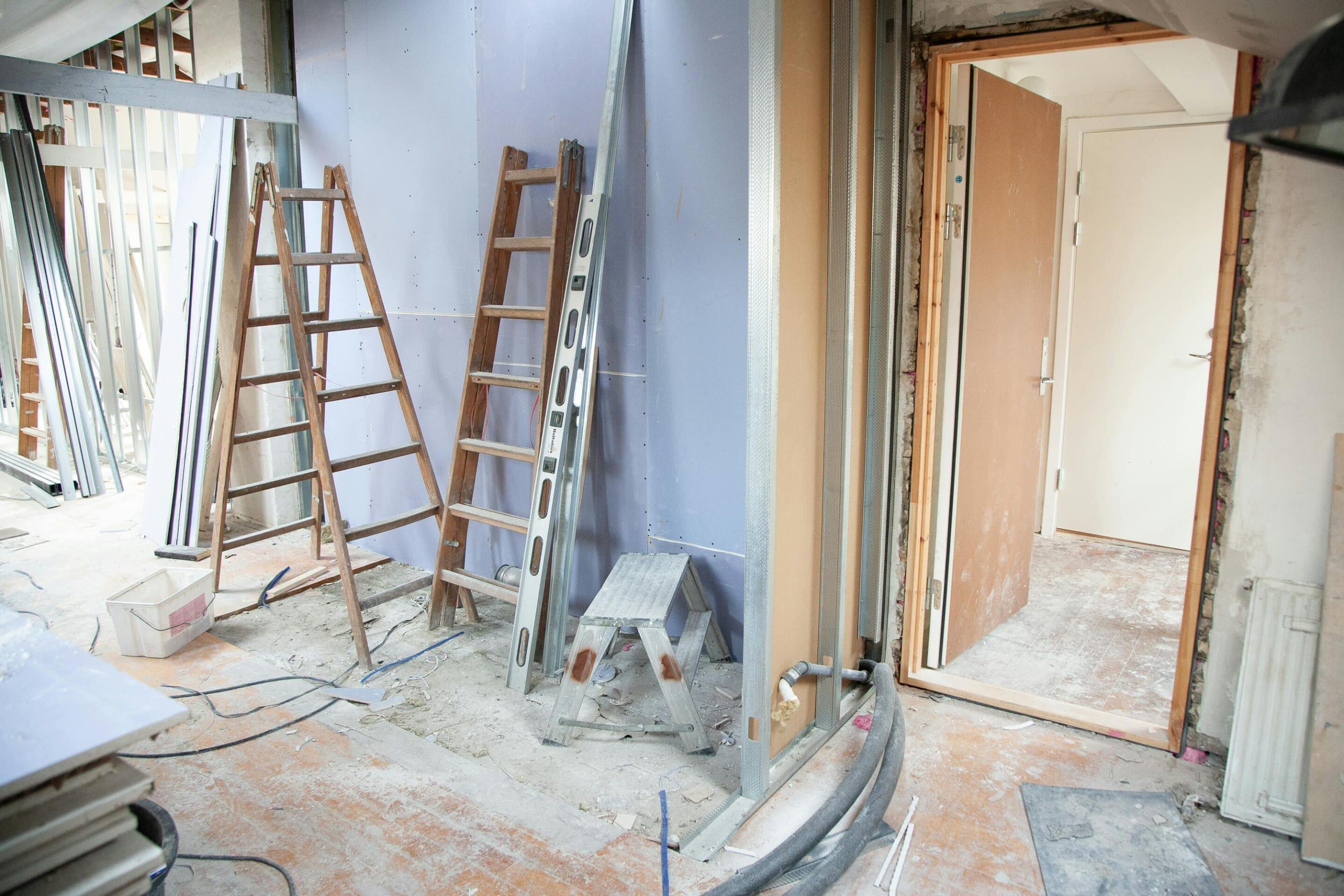
- Rough-in framing, electrical, plumbing, gas, HVAC – This is where your trades work behind the scenes. They’ll set up all the hidden systems before walls close up.
- Inspections – If permits were required, inspections happen here before moving forward.
- Insulation and drywall – Your space starts to look like a room again.
- Flooring – Installed once the messy work is done.
- Cabinetry and countertops – The big visual payoff!
- Finish electrical and plumbing – Lighting, outlets, faucets, and fixtures go in.
- Appliance installation – The kitchen starts to function again.
- Painting – The finishing touch that ties it all together.
- Final inspection and cleanup – A last check to ensure everything is safe, functional, and beautiful.

Why Understanding the Order Helps
When you see how these stages connect, all those confusing quotes start to make sense.
You’ll recognize where scopes overlap (for example, drywall repair after electrical work) and where gaps might exist (like disposal fees or final cleanup).
You can also spot where you might want to DIY—such as painting or hardware installation—and where to leave it to the pros.
Most importantly, you’ll feel more in control. Renovations are full of variables, but having a clear map of “what comes when” brings a sense of calm and confidence to the process.
Takeaway
Renovations don’t always go perfectly to plan—but when you understand the order of things, you can navigate the bumps with ease.
Think of it as your renovation roadmap: a way to see the big picture, make informed decisions, and keep your project on track from the first meeting to the final wipe-down.